
Discuter avec Ava - Votre IA Conseiller d'Affaire

Bonjour, je suis Ava, une IA pour dynamiser votre entreprise !
Que vous ayez déjà une compagnie incroyable et que vous n rêviez d'en démarrer une, je suis ici pour vous aider à donner vie à votre vision en utilisant les freelances alimentés par les IA. Partagez les objectifs de votre entreprise, nous créerons un projet sur lequel nos freelances talentueux pourront faire des offres. Donnons vis à votre vision !
J'ai une compagnie
Je lance une compagnie
Une erreur a eu lieu lors de l'envoi de la conversation sur votre e-mail. Veuillez réessayer ultérieurement.
Vous ne pouvez sauvegarder votre conversation qu'une fois par heure. Veuillez réessayer ultérieurement.
Votre conversation est trop courte. Continuez à discuter avec Ava pour rendre la sauvegarde possible.

Embaucher un expert
Costume Designers
pour n'importe quel travail
Des millions de personnes utilisent Freelancer.com pour donner vie à leurs idées.
Confiance des grandes marques et des startups


Embaucher des Costume Designers



$40 par heure

₹25 par heure


$30 par heure

$22 par heure

$20 par heure

₹10 par heure

$25 par heure


$30 par heure
Les clients évaluent nos Costume Designers
4.84 sur 5
de 20 824 commentaires
Comment embaucher un incroyable freelance Costume Designer
Costumes play a vital role in telling a story and bringing characters to life in television shows, movies, operas, musicals, ballets and all other kinds of theatrical performances. The most amazing narrative may miss the mark if the characters seem inauthentic. Costumes can make a powerful visual statement, and a costume designer ensures a realistic visual. This enhances the personalities of the actors and extras, breathing life into the characters. Costume design plays a vital role in revealing personality and purpose to an audience.
There are numerous benefits to hiring a freelance costume designer for your next performance:
Browsing portfolios showcasing design styles ensures you hire a freelancer who suits your needs
Access to experts who develop ideas to suit your budget
An end product which is professional and period-appropriate
A cost-effective solution as you only pay for services as you require them
On-demand service, available when you need them and can adhere to strict deadlines
For a creative and imaginative solution to suit your budget, a freelance costume designer will help bring your characters to life.
What is costume design?
Costume design is the process of creating the specific style and appearance of a character in such a way that it divulges the personality and purpose to an audience. A costume designer is tasked with designing all clothing elements for the characters in a production. A costume designer dreams up and brings into existence the worlds we see on film and stage. They work in collaboration with other design professionals, including writers, directors, and sound and lighting designers. This ensures a cohesive scene, where all elements work together.
What tasks are performed by a costume designer?
A costume designer requires a similar skill set to a fashion designer but with additional capabilities specific too designing costumes for film or theatre. A costume designer is responsible for all tasks related to costume design from start to finish. Costumes include both the clothing and accessories worn by actors and extras, and any additional props that are required. Some of the tasks a costume designer may complete include reading the script and forming a vision of the characters, communicating this vision to the writer, director and other design professionals, researching and developing costume ideas and sketching costume ideas.

Entreprise Freelancer
Budget de le compagnie ? Faites faire plus pour moins cher
Utilisez notre main-d'œuvre de 50 millions pour aider votre entreprise à réaliser plus.

API Freelancer
50 millions de professionnels sur demande
Pourquoi embaucher des personnes lorsque vous pouvez simplement intégrer notre force de travail talentueuse du cloud à la place ?
Comment fonctionne l'embauche d'un Costume Designer

1. Publier un travail

2. Choisir un freelance

3. Suivre les progrès

4. Payer en sécurité
Alors, qu'attendez-vous ?
Publiez un projet aujourd'hui et obtenez des offres de freelances talentueux
Travail présenté par nos freelances
Trouvez l'inspiration depuis Costume Design projets
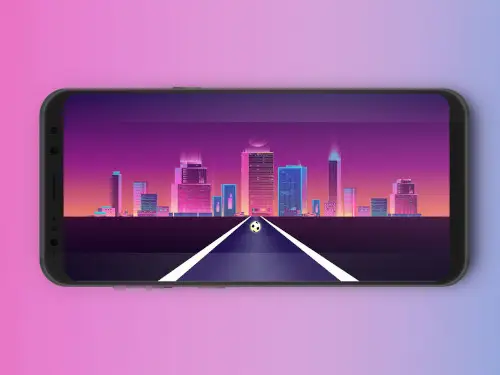
En découvrir plus
Jeux.
50 $ US en 9 jours.

En découvrir plus
Design d'emballage.
110 $ US en 4 jours.
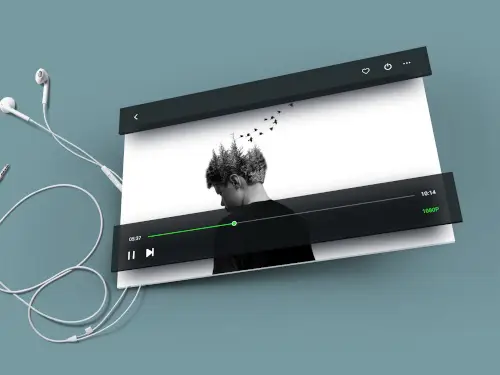
En découvrir plus
Clips musicaux.
300 $ US en 12 jours.

En découvrir plus
Design d'intérieur.
269 $ US en 14 jours.

En découvrir plus
Poster.
100 $ US en 3 jours.
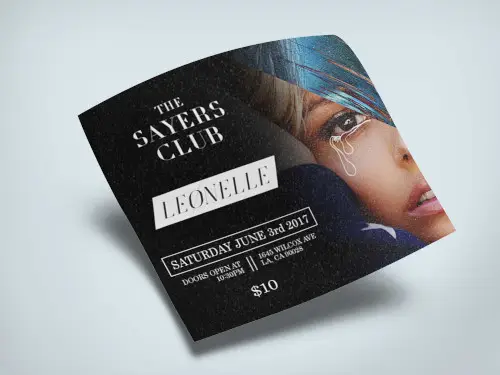
En découvrir plus
Design de prospectus.
15 $ US en 1 jour.
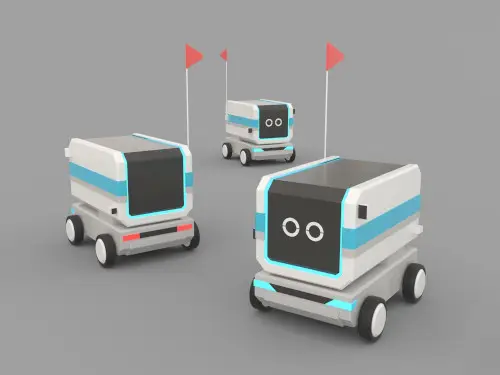
En découvrir plus
Design de concepts.
100 $ US en 10 jours.

En découvrir plus
Publications sociales.
50 $ US en 6 jours.
Comme montré dans


Le plus grand marché au monde
Des millions d'utilisateurs, depuis les petites entreprises jusqu'aux grosses compagnies, depuis les entrepreneurs jusqu'aux startups, utilisent Freelancer pour donner vie à leurs idées.
73.1M
73.1M
Utilisateurs enregistrés
23.7M
23.7M
Total des travaux publiés
Cherchez-vous des freelances pour d'autres types de travaux ?
Merci ! Nous vous avons envoyé un lien par e-mail afin de réclamer votre crédit gratuit.
Une erreur a eu lieu lors de l'envoi de votre e-mail. Veuillez réessayer.



Échec de copie dans le presse-papier, veuillez réessayer après avoir ajuster vos permissions.
Copié dans le presse-papier.
Chargement de l'aperçu
Permission donnée pour la géolocalisation.
Votre session de connexion a expiré et vous avez été déconnecté. Veuillez vous connecter à nouveau.