
Des millions de personnes utilisent Freelancer pour concrétiser leurs idées.
Approuvé par des grandes marques et des startups


Publiez gratuitement votre projet et entrez en contact avec des freelancers qualifiés, prêts à commencer dès aujourd’hui. Comparez les offres, les évaluations et les portfolios, et ne payez que lorsque vous êtes satisfait du résultat.
~350 s
avant la première offre
49+
offres par projet
5k+
freelancers en ligne
Aucun frais à l’avance. Ne payez que lorsque vous êtes satisfait du travail réalisé.
An anodizing process engineer is a metal finishing specialist who designs, controls, and optimizes electrochemical anodizing operations that build protective oxide layers on aluminum, titanium, and other non-ferrous metals. Hiring a freelance anodizing process engineer gives manufacturers access to deep expertise in surface treatment chemistry, line design, and quality control without the overhead of a full-time technical hire.
Freelance anodizing process engineers solve problems that sit at the intersection of electrochemistry, mechanical engineering, and production management. Whether you run a Type II sulfuric acid line, a Type III hardcoat operation, or a chromic acid process for aerospace components, an experienced process engineer can audit your bath chemistry, troubleshoot defects, and improve yield.
Common deliverables from an anodizing engineer include process flow diagrams, bath chemistry specifications, rectifier ramp profiles, racking and masking procedures, sealing protocols, and full standard operating procedures. Many engagements also produce capability studies, failure analysis reports, and corrective action plans aligned with customer specifications such as MIL-A-8625, AMS 2469, AMS 2470, AMS 2471, and ISO 7599.
An anodizing process engineer covers the full lifecycle of a finishing line, from greenfield design through ongoing optimization. Typical scopes of work include:
Strong candidates work fluently with the technical references and tools the industry relies on. Look for familiarity with industry specifications including MIL-A-8625, AMS 2468 through 2472, ISO 7599, ISO 10074 for hardcoat, and the Qualanod and Qualicoat quality labels.
On the analytical side, expect comfort with titration for free acid and dissolved aluminum, conductivity and pH monitoring, Hull cell testing, eddy current coating thickness measurement (Fischer, Elcometer), microscopy for cross-section evaluation, and CASS or salt spray corrosion testing. Process design is often supported with AutoCAD, SolidWorks, and PLC-based line control systems. Continuous improvement work typically uses Six Sigma, DOE, SPC, and lean manufacturing frameworks.
Anodizing process engineers support a wide range of manufacturing sectors. The most common engagements come from aerospace and defense, automotive components, architectural aluminum and curtain wall, consumer electronics housings, medical devices, optics and lighting, cookware, and precision machined parts. Each industry brings its own specification stack, and a seasoned engineer adapts process windows to meet customer-specific requirements without sacrificing throughput.
The best candidates combine hands-on shop floor experience with a working command of electrochemistry. Strong portfolios show line commissioning projects, defect reduction case studies, qualification reports for new alloys or part geometries, and audit-ready documentation. Look for engineering degrees in chemical, materials, or metallurgical engineering, plus direct experience with the specific anodizing type your project requires.
Useful interview questions include:
Freelancer.com gives manufacturers direct access to a global pool of metal finishing engineers, surface treatment consultants, and electrochemistry specialists. You can post a project on Freelancer.com and receive competitive bids from engineers with verified experience in aerospace hardcoat, decorative architectural anodizing, automotive trim, or medical device passivation.
Clients set their own budgets and review detailed proposals before awarding work. Milestone Payments hold funds securely until deliverables are approved, which protects both sides during line commissioning, qualification runs, and remote troubleshooting engagements. The scale of freelancers on Freelancer.com means you can match the engineer's background to your exact alloy, specification, and industry.
Ready to improve your finishing line, qualify a new alloy, or commission a fresh anodizing operation?
Hiring an anodizing engineer is straightforward when your brief captures the chemistry, alloys, and specifications your line must meet. The clearer your technical context, the more targeted the bids you receive. The three steps below walk you through posting, reviewing, and awarding the work.
The project brief is the single biggest factor in the quality of bids you receive. For anodizing work, candidates need to know the process type, substrate alloys, target coating thickness, applicable specifications, and what problem you are trying to solve. Head to the
Bids on a technical role like this are short proposals that reveal how the engineer interprets your problem. A strong proposal references the specifications you cited, raises clarifying questions about bath chemistry or part geometry, and outlines a realistic approach. Use the platform chat to probe their understanding before shortlisting.
The final decision combines proposal quality with profile evidence. For anodizing engineers, look for consistent depth across multiple finishing projects rather than a single standout job. Portfolio markers such as commissioned lines, defect reduction studies, and AS9100 or IATF audit support carry more weight than general engineering credentials.
An anodizing process engineer specializes in electrochemical oxide growth on aluminum, titanium, magnesium, and similar metals, where the substrate itself is converted into a protective layer. A plating engineer typically deposits a separate metal coating such as nickel, chrome, or zinc onto a substrate. The chemistry, equipment, and quality standards differ significantly, so hire for the specific process your line runs.
Much of the work, including bath chemistry analysis, SOP writing, PFMEA development, specification interpretation, and defect troubleshooting from photos and lab data, can be done remotely. On-site visits are usually reserved for line commissioning, audit preparation, or hands-on root cause investigations. Many engagements blend remote analysis with one or two site visits.
A focused defect-reduction or specification-qualification project typically runs a few weeks once data collection is complete. Greenfield line design and commissioning can extend over several months, depending on equipment lead times and qualification testing. Setting clear milestones in the brief keeps the timeline predictable.
For a defined scope such as troubleshooting a specific defect, qualifying a new alloy, or writing SOPs, a freelance anodizing process engineer is usually the most efficient route. Larger multi-site rollouts or full turnkey line builds may justify a consultancy. Many clients start with a freelancer for a pilot scope before expanding.

Freelancer Enterprise
Utilisez notre communauté de 90.6 millions de professionnels pour aider votre entreprise à aller plus loin.

API Freelancer
Pourquoi embaucher des personnes lorsque vous pouvez simplement intégrer notre force de travail talentueuse du cloud à la place ?




Publiez un projet aujourd'hui et obtenez des offres de freelances talentueux
Inspirez-vous avec des projets de Anodizing

Jeux.
50 $ US en 9 jours.

Design d'emballage.
110 $ US en 4 jours.

Clips musicaux.
300 $ US en 12 jours.
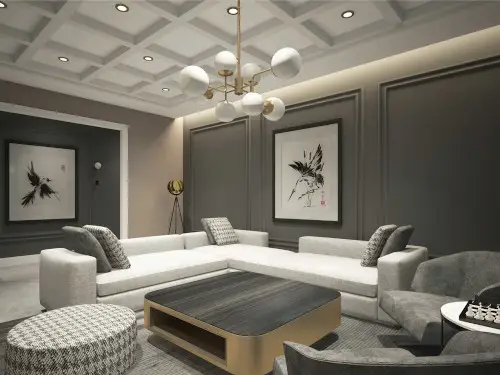
Décoration d'intérieur.
269 $ US en 14 jours.

Poster.
100 $ US en 3 jours.

Design de prospectus.
15 $ US en 1 jour.
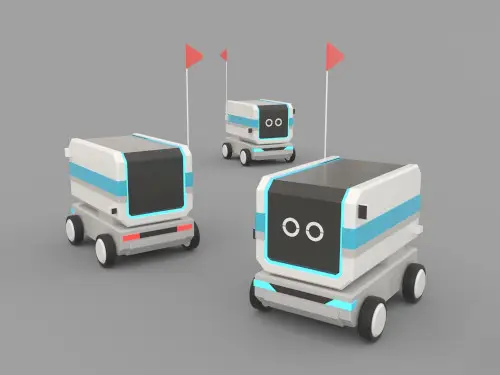
Design de concepts.
100 $ US en 10 jours.

Publications sociales.
50 $ US en 6 jours.


Des millions d'utilisateurs, depuis les petites entreprises jusqu'aux grosses compagnies, depuis les entrepreneurs jusqu'aux startups, utilisent Freelancer pour donner vie à leurs idées.
90.6M
90.6M
Utilisateurs enregistrés
25.9M
25.9M
Total des travaux publiés
Freelancer
À propos
Termes
Partenaires
Applications